ZyntraVexel
In this article, we will explore the design philosophy, performance expectations, interior features, and market positioning of the Mullen D12, while also understanding why it is becoming a topic of growing interest among EV enthusiasts.
Introduction to Mullen D12
At its core, the Mullen D12 represents a futuristic approach to electric mobility. Unlike traditional internal combustion vehicles, it is designed with sustainability and efficiency in mind. Additionally, it aims to combine rugged utility with modern electric powertrain technology, making it suitable for both urban and semi-industrial applications.
What makes the Mullen D12 especially intriguing is its attempt to bridge the gap between high-performance design and practical usability. While many electric vehicles focus solely on passenger comfort or luxury appeal, this model explores a more versatile direction.
Exterior Design and Build Philosophy
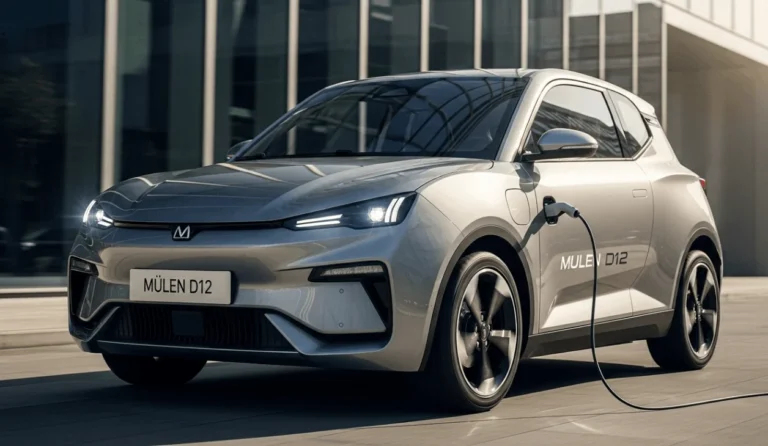
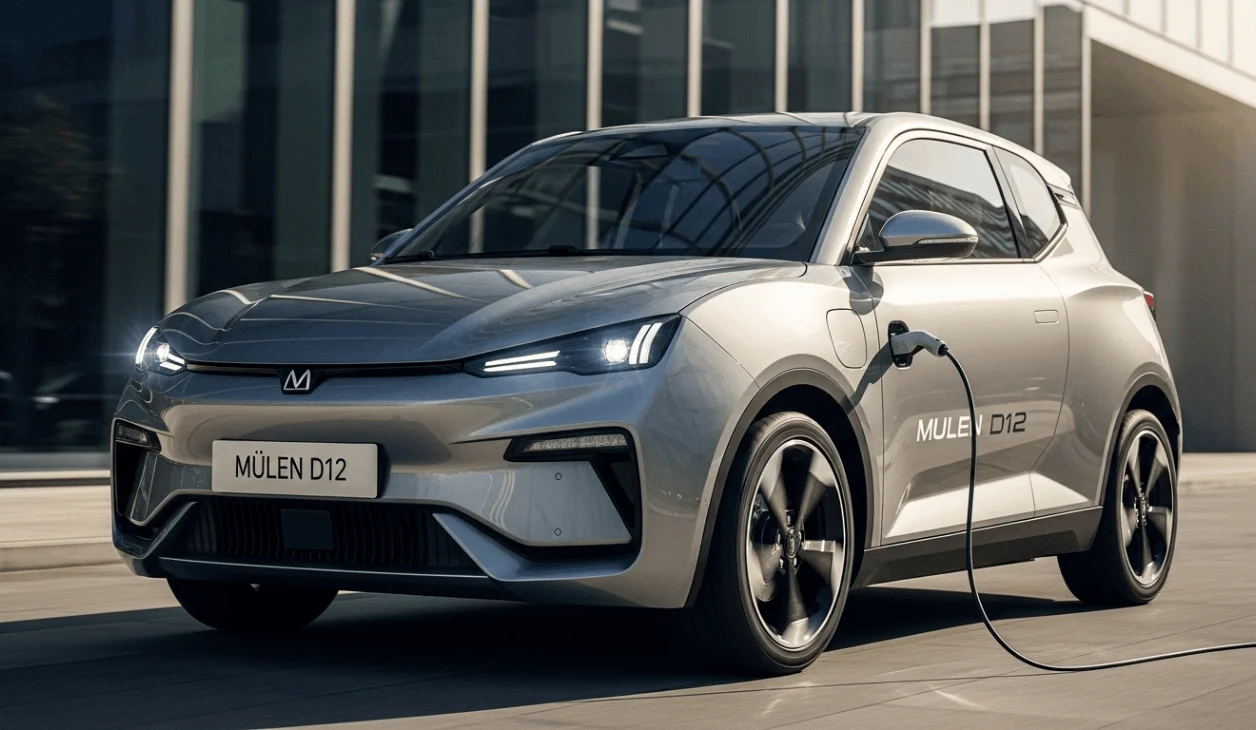
When discussing the Mullen D12, its exterior design cannot be overlooked. The vehicle showcases a bold and aggressive stance, emphasizing strength and durability. Its structure is designed to handle demanding environments while maintaining aerodynamic efficiency.
Furthermore, the body architecture reflects a modern industrial aesthetic, which is becoming increasingly popular in electric utility vehicles. Sharp lines, a wide frame, and a futuristic silhouette contribute to its commanding road presence. In addition, the design is not just about appearance—it also supports airflow optimization and structural balance.
The Mullen D12 appears to target users who need both functionality and visual impact in one package.
Performance and Electric Capability
Performance is one of the most discussed aspects of the Mullen D12. As an electric vehicle concept, it is expected to deliver strong torque output, which is a common advantage of EV platforms. This makes it particularly useful for tasks requiring heavy-duty performance.
Moreover, electric drivetrains generally offer smoother acceleration and reduced mechanical complexity. In the case of the Mullen D12, this translates into improved efficiency and potentially lower maintenance requirements compared to traditional vehicles.
Although detailed official specifications may vary depending on development stages, the focus remains on delivering a balance between power and sustainability. Consequently, it positions itself as a forward-thinking solution in the utility EV segment.
Interior Comfort and Technology
Inside the Mullen D12, the design philosophy shifts toward modern comfort and digital integration. The cabin is expected to feature a minimalist yet functional layout, aligning with current trends in electric vehicle interiors.
Additionally, advanced infotainment systems and driver-assistance technologies are likely to play a central role. These systems enhance convenience while also improving safety and driving experience.
The use of smart interfaces, digital dashboards, and connectivity features ensures that the Mullen D12 stays competitive in an increasingly tech-driven automotive market. Furthermore, materials used in the interior are expected to balance durability with comfort, making the vehicle suitable for extended use.
Practical Applications and Market Position
One of the most interesting aspects of the Mullen D12 is its potential market positioning. It is not designed as a conventional passenger car; instead, it appears to target utility-based and commercial applications.
For instance, industries requiring transportation of goods, equipment, or specialized tools may find value in its electric efficiency and structural strength. In addition, businesses looking to reduce carbon emissions could benefit from adopting such vehicles.
As electric mobility expands globally, the Mullen D12 may serve as a niche yet impactful solution in the utility EV category.
Advantages and Potential Challenges
Like any emerging vehicle concept, the Mullen D12 comes with both advantages and challenges.
On the positive side, its electric platform offers environmental benefits, reduced fuel dependency, and potentially lower operational costs. Moreover, its modern design and technological integration make it appealing for forward-thinking users.
However, challenges may include infrastructure limitations, production scalability, and market competition. Since the EV industry is rapidly evolving, success will depend on how well the Mullen D12 adapts to real-world demands and consumer expectations.
Future Outlook of Mullen D12
Looking ahead, the future of the Keyphrase will largely depend on advancements in battery technology, manufacturing efficiency, and market adoption. If these factors align, it could become a strong contender in the electric utility vehicle segment.
Additionally, increasing global emphasis on sustainability and carbon reduction may further support its relevance. Governments and industries are actively encouraging electric alternatives, which could create favorable conditions for vehicles like the Keyphrase.
As innovation continues, this model may also evolve with improved range, smarter systems, and enhanced performance capabilities.
Conclusion
In summary, the Mullen D12 represents an ambitious step toward the future of electric utility vehicles. By combining modern design, electric efficiency, and practical functionality, it aims to carve out a unique space in the automotive industry.
While still developing in concept and positioning, the Mullen D12 highlights the direction in which transportation is moving—toward smarter, cleaner, and more versatile solutions. Ultimately, its success will depend on how effectively it meets real-world demands while staying ahead in a competitive EV landscape.
About the Author