ZyntraVexel
In today’s fast-paced world, where modernization and globalization are reshaping societies, preserving cultural identity has become more important than ever. Among the philosophies that focus on maintaining traditions and heritage, dougahozonn stands out as a unique concept. It emphasizes the intentional act of safeguarding intangible cultural elements such as oral stories, rituals, spiritual practices, and collective memory, ensuring that future generations remain connected to their roots.
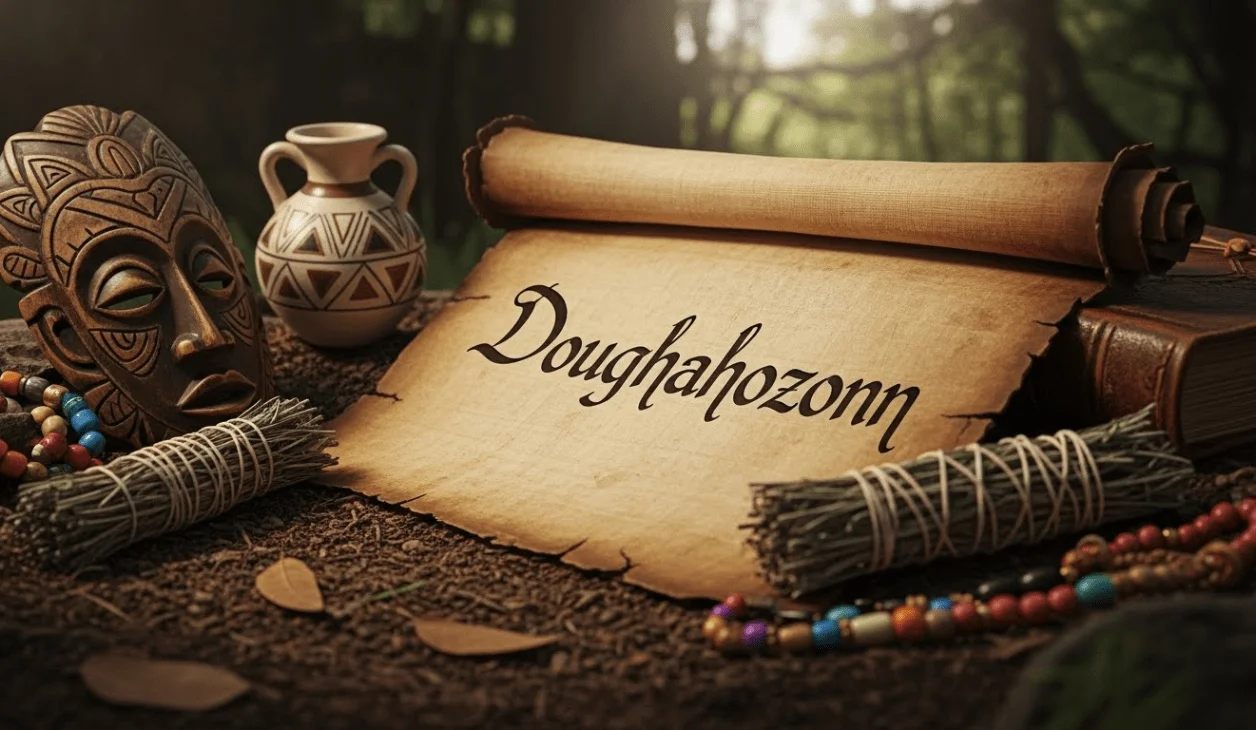
The term dougahozonn originates from two concepts: “douga,” which refers to spiritual stories, intangible heritage, and ritualistic practices, and “hozonn,” which represents protection, safeguarding, and continuity. When combined, these elements form a holistic approach to cultural preservation. Unlike passive conservation, doughahozonn emphasizes active engagement with culture, ensuring traditions are not just remembered but lived and shared.
Understanding Doughahozonn
At its core, doughahozonn is about bridging the past, present, and future. Every society has traditions, stories, and rituals that define its identity. While physical artifacts and monuments are important, intangible cultural aspects like oral histories, folklore, and spiritual practices are equally vital. Doughahozonn ensures that these elements are not lost over time. It promotes the idea that culture is not only a heritage to be admired but also a responsibility to be preserved actively.
Communities that embrace doughahozonn recognize that heritage requires conscious effort. This philosophy encourages societies to teach younger generations about their history, spiritual practices, and rituals, creating a sense of identity, belonging, and continuity.
Why Doughahozonn Matters Today
The relevance of doughahozonn has increased in the modern world. Globalization, urban migration, and digital lifestyles often weaken cultural connections. Without intentional preservation, languages, stories, and rituals risk being lost. Doughahozonn provides a framework for resisting cultural erosion by emphasizing the importance of continuity and collective memory.
Moreover, this concept strengthens community bonds. Shared rituals, storytelling, and traditional celebrations create unity among people. When a society collectively practices doughahozonn, it fosters pride, understanding, and respect for its own heritage, while simultaneously contributing to global cultural diversity.
Core Principles of Doughahozonn
Several key principles define the philosophy of doughahozonn:
1. Protection of Intangible Heritage
Doughahozonn focuses on preserving oral traditions, myths, folklore, and spiritual knowledge. These non-material elements carry the essence of a culture and serve as its living memory.
2. Continuity Across Generations
A central tenet of doughahozonn is ensuring that cultural knowledge is passed down from elders to younger generations. By doing so, communities maintain a strong connection to their past while preparing the next generation to carry traditions forward.
3. Active Participation
Unlike passive preservation, doughahozonn requires engagement. Communities must actively document, perform, and teach cultural practices to ensure they remain relevant and meaningful.
4. Adaptation and Flexibility
Doughahozonn recognizes that while traditions are essential, cultures also evolve. The philosophy encourages adaptation of practices in a way that maintains their core values, ensuring heritage remains alive even in changing contexts.
Practical Applications of Doughahozonn
Communities worldwide apply doughahozonn in diverse ways. Some maintain storytelling circles, where elders narrate folktales and ancestral stories to younger generations. Others focus on ritual preservation, ensuring that religious and cultural ceremonies are performed regularly and authentically. Educational programs also play a significant role; schools and cultural centers incorporate local heritage into curricula, giving children hands-on experience with traditions.
Additionally, modern technology supports doughahozonn by enabling the digital archiving of oral histories, rituals, and music. Social media and multimedia platforms allow communities to share cultural knowledge widely, making preservation both accessible and sustainable.
Benefits of Embracing Doughahozonn
There are numerous advantages to adopting the principles of doughahozonn:
- Strengthened Community Identity: When people actively engage with their heritage, they develop a stronger sense of belonging and pride.
- Intergenerational Learning: Elders can transmit wisdom and knowledge effectively, ensuring continuity.
- Cultural Diversity: Cultural safeguarding promotes the preservation of unique traditions, enriching global culture.
- Resilience Against Cultural Loss: Active engagement prevents traditions from fading in the face of modernization.
Doughahozonn in Indigenous and Traditional Communities
Indigenous communities naturally embody the principles of Cultural safeguarding. Oral traditions, rituals, and spiritual practices form the foundation of their cultural identity. Despite challenges such as urbanization and modernization, these communities continue to practice cultural preservation with intention, aligning closely with doughahozonn’s philosophy.
Furthermore, anthropologists and cultural researchers increasingly study Cultural safeguarding as a model for sustainable heritage preservation. Its focus on intangible aspects provides valuable insights for global efforts to maintain cultural diversity.
Future Implications of Doughahozonn
Looking ahead, Cultural safeguarding will likely play an even greater role in cultural sustainability. As societies continue to face pressures from globalization, deliberate preservation of intangible heritage becomes essential. By combining traditional practices with modern tools such as digital archives, online storytelling, and cultural workshops, communities can practice Cultural safeguarding more effectively.
Cultural safeguarding is not static; it evolves alongside society. Its philosophy encourages adaptation while maintaining core values, ensuring that cultural practices remain relevant and engaging for future generations.
Conclusion
In conclusion, Cultural safeguarding is a vital philosophy for preserving cultural heritage, stories, rituals, and spiritual knowledge. By blending protection with continuity, it ensures that communities maintain a deep connection to their roots. Embracing doughahozonn allows societies to strengthen identity, foster community cohesion, and safeguard traditions for future generations. In an era where rapid change threatens cultural erosion, doughahozonn serves as a timeless guide for intentional, thoughtful preservation
About the Author