
ZyntraVexel
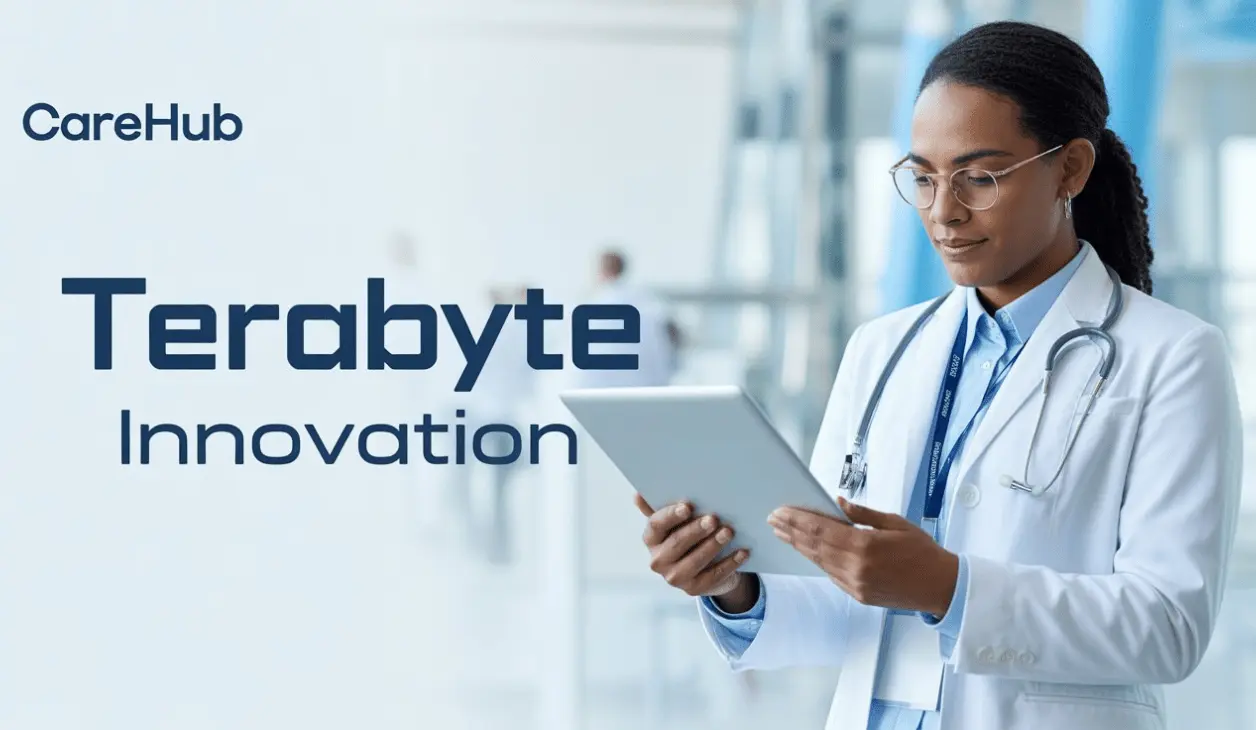
In today’s rapidly evolving digital world, the demand for integrated healthcare solutions is growing at an unprecedented pace. As technology continues to shape modern medical systems, carehub terabyte innovation stands out as a groundbreaking approach that aims to transform the way healthcare data is stored, managed, and utilized. With its advanced digital capabilities, this innovative concept promises to bring convenience, accuracy, and efficiency to both patients and healthcare providers.
Although traditional healthcare systems have relied on scattered data and manual processes, times have changed. Now, with innovation driving every field, the medical sector is embracing modernization more than ever. This is where carehub terabyte innovation becomes highly valuable, offering a powerful digital solution for streamlining operations and improving patient outcomes.
Understanding the Concept of Carehub Terabyte Innovation
To begin with, the idea behind carehub terabyte innovation revolves around creating a centralized platform where vast volumes of healthcare data can be stored securely. A “carehub” represents a digital environment where all patient-related information such as medical history, prescriptions, diagnoses, imaging results, and doctor’s notes is kept in a single location. Meanwhile, the term “terabyte innovation” refers to the use of large-scale digital storage systems capable of managing massive datasets with speed and precision.
Consequently, this powerful combination enables healthcare professionals to access important details within seconds. Instead of navigating through paperwork or waiting for records from multiple departments, medical teams can retrieve everything through one secure hub. As a result, patient care becomes faster, more accurate, and far more reliable than before.
Why Carehub Terabyte Innovation Matters in Modern Healthcare
There are several compelling reasons why this digital approach is gaining popularity. First and foremost, modern hospitals and clinics generate enormous amounts of data every single day. Traditional systems often struggle to manage this workload efficiently. However, carehub terabyte innovation ensures that even extensive records remain organized and easily available.
Moreover, digital health platforms reduce the chances of human errors. When doctors rely on manual entries, mistakes can occur, leading to misdiagnoses or missing information. But through automated and centralized systems, the probability of such issues decreases significantly. Additionally, this innovation offers improved data security, which is essential in protecting sensitive medical information.
Another key factor is convenience. With digital health solutions becoming increasingly common worldwide, patients expect easier ways to access their own information. Through a carehub system, individuals can view test results, medical prescriptions, and appointment histories directly from their devices. Consequently, it promotes transparency and empowers patients to take an active role in their own well-being.
Enhancing Collaboration Through Digital Connectivity
One of the most notable advantages of carehub terabyte innovation is its ability to enhance collaboration between healthcare professionals. For example, when a patient consults multiple specialists, their information needs to be shared efficiently. A centralized digital hub ensures that every authorized doctor can access the latest reports instantly.
Furthermore, this interconnected system minimizes delays in treatment. Instead of waiting for hard copies or manually transferring files, doctors can analyze data in real time. In complex medical cases, this quick exchange of information can even help save lives.
Additionally, digital hubs make research easier. With vast datasets available, medical researchers can study patterns, detect risk factors, and develop new treatment strategies more effectively. Ultimately, this leads to breakthroughs in healthcare that benefit society as a whole.
Improving Patient Experience Through Smart Technology
In addition to helping doctors, carehub terabyte innovation greatly improves the overall patient experience. Because everything is centralized, patients no longer need to carry physical files or repeat their medical history during every visit. Instead, hospitals can retrieve the information instantly, ensuring smooth and efficient interactions.
Another major benefit is remote access. As telehealth services grow worldwide, digital records allow online consultations to be more effective. Doctors can evaluate patient history during a virtual visit and provide accurate recommendations. Also, patients living in remote areas gain quick access to high-quality medical advice without traveling long distances.
Moreover, carehub technology can support automated reminders for medications, upcoming appointments, or follow-up tests. These features help patients stay consistent with their treatment plans, ultimately improving health outcomes.
How Carehub Terabyte Innovation Supports Healthcare Administration
Beyond patient care, this digital system plays an important role in healthcare management as well. Administrative teams often deal with complex schedules, billing procedures, and insurance documentation. A powerful digital hub simplifies these tasks, reducing administrative burden.
Furthermore, automated systems help minimize miscommunication between departments. Whether it’s scheduling surgeries, coordinating laboratory tests, or updating patient status, everything becomes more structured and error-free. Consequently, hospitals can save time, reduce costs, and enhance overall productivity.
In addition, analytics tools integrated into these systems provide valuable insights. Hospitals can track patient flow, identify bottlenecks, and make informed decisions about resource allocation. This level of data-driven thinking is essential for modern healthcare organizations that aim to grow efficiently.
Future Possibilities Powered by Digital Health Innovation
Looking ahead, the future of healthcare is expected to become even more connected. Technologies such as artificial intelligence, cloud computing, and machine learning will significantly enhance platforms like carehub terabyte innovation. For instance, AI can analyze patterns and predict patient risks, while cloud storage ensures that data remains accessible from anywhere in the world.
Moreover, with the rise of wearable devices such as smart watches and health trackers, carehub systems can integrate real-time health metrics. This will allow doctors to monitor patients’ vitals continuously and deliver personalized care recommendations.
Thus, the combination of large-scale data storage and intelligent analytics will mark a major transformation in healthcare delivery.
Conclusion
In conclusion, carehub terabyte innovation represents a crucial step toward modernizing global healthcare systems. By offering centralized storage, faster data access, enhanced security, and seamless collaboration, this digital approach has the potential to revolutionize patient care. As technology continues to evolve, such innovations will become essential in building a smarter, more efficient, and more reliable healthcare ecosystem for the future.
About the Author